
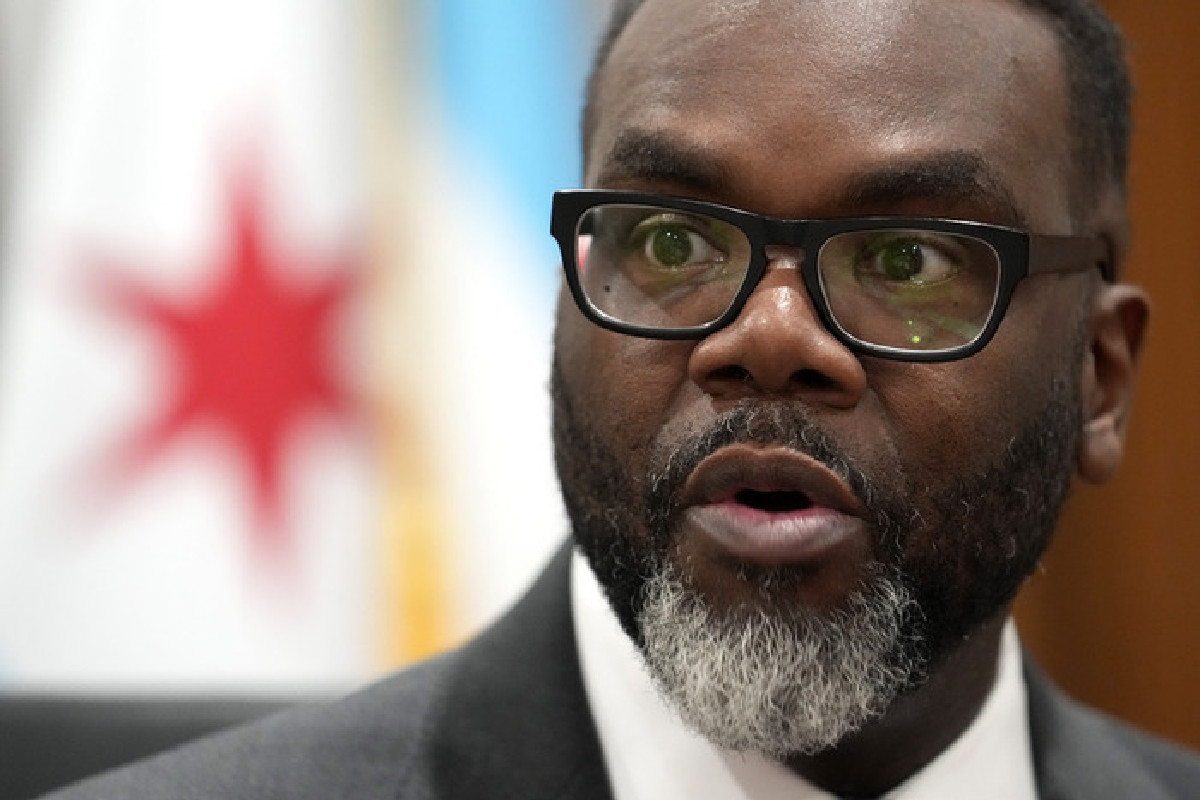
Chicagoans are bracing for a financial hit in 2025 as Mayor Brandon Johnson and the City Council’s last-minute budget deal ushers in a slew of new taxes, fines, and fees. The plan avoids politically explosive property tax hikes, but residents and businesses alike will feel the sting in other ways—and many fear they’ll get less in return for their money.
City Hall faced a $200 million budget gap. Johnson and aldermen settled on a patchwork of smaller revenue hikes and quick fixes rather than sweeping spending cuts or broad property tax increases. While that approach avoided the most unpopular options, the result is a long list of new and increased charges that will affect nearly every Chicagoan.
Higher Costs Across the Board
The new budget targets everything from cloud computing to streaming services and speeding fines. Among the biggest changes:
- Cloud and Streaming Taxes: The personal property lease tax will jump from 9% to 11%, hitting businesses that rely on cloud-based software and services. Meanwhile, taxes on streaming platforms like Netflix and Hulu, as well as cable TV, will rise from 9% to 10.25%. Together, these hikes are expected to generate $140.9 million in new revenue.
- Speeding Fines: Johnson’s plan includes expanding the city’s automated speed camera network, adding new cameras to ticket drivers. The cameras are expected to bring in $11.4 million, targeting drivers going just 6 mph over the limit near schools and parks.
- Quick Fixes: The city will also dip into $74 million in unspent federal COVID-19 relief funds and refinance debt to bring in $16.5 million. These one-time measures plug gaps but leave long-term issues unresolved.
What Didn’t Make the Cut
Johnson initially proposed a $300 million property tax hike to close the gap. Aldermen rejected that and two smaller versions of the plan. Other rejected proposals included a 35% increase in liquor taxes, higher garbage collection fees, and a new tax on legal hemp products.
Less for More?
While the budget avoids deeper cuts to city services, some critics warn that Chicagoans may still get less for their money. The new taxes and fines are expected to hit both residents and businesses hard. For example, the higher streaming tax will impact everyone from basic cable subscribers to cord-cutters, while increased cloud computing taxes could lead businesses to pass higher costs on to consumers.
The expanded speed camera network has also drawn criticism for targeting lower-income drivers who can least afford fines. And while the city avoided large-scale layoffs or service cuts, the budget still relies on $23.6 million in “operational efficiencies” and modest staff reductions—raising questions about whether residents will feel the effects in slower or reduced city services.
A Temporary Fix
This budget may close the 2025 gap, but it’s a band-aid on a bigger problem. The reliance on quick fixes and one-off revenue sources, like unused COVID-19 funds, highlights the city’s ongoing struggle to balance its books without addressing underlying fiscal challenges. Critics argue that Chicago is merely kicking the can down the road, setting up future budget fights.
For now, the message is clear: Chicagoans will pay more, and they may get less in return. As the new taxes and fines take effect, residents and businesses will be watching closely to see if City Hall can deliver the services they’re paying for—or if this budget leaves them footing the bill for less.